Monday, November 18, 2024

Alert:UPDATE: Re: Sefe: חלב טריפה it may be actually a מכשול הרבים at best-לטהר השרץ בק"נ טעמים,ר"ל

If you drink milk from farms that did not remove the operated cows that are "Treif" your are a מזיד.
Currently in the USA, there is no חלב סתם it's all to be considered as חלב טריפה, per Reb Moshe Feinstein, Z"L

 , , נכתב רק לאינו יראי שמים, אינו בעל נפש -הספר חלב טריפה, כשמו כן
 הוא-טריף, במלא המובן

Alert; We have reviewed a number of facts presented in the Sefer and we found that they are not presented correctly. The incidence of Bloating and DA's are considerably higher than is being presented.

Therefore the incidence of טריפות is higher than presented and it still remains a serious issue. We have personally inspected many farms, small ones of under 100 cows to large ones up to 6000 head of cows
.

We personally spoke Reb Moshe Feinstein re: his Teshuva on Cholov Stam. We personally spoke to Rav Eliyashev and Rav Wosner re: the Veterinary procedures done to the cows which make them a Treifah.

In conclusion, The intention of the Sefer may have been very good, but the sad facts are that all cholov Stam, Akum, etc may actually have serious issues of Treifos that are not Botul, considerably more than the 1.6 %. It's ranges from 4% and above depending on the farm.

One can only consume the Cholov Yisroel with reliable Hashgochas according to the Psakim of Reb Moshe Feinstein, Rav Sholom Eliyashev, Rav Shmuel Wosner, etc. They disagree with the conclusions on the חלב טריפה book.

-יש לנו ה"מסורה" מהרב אלישב והרב וואזנר, ורק זה הקובעה ההלכה.

נ.ב.  והלל ושמאי היה להם ראיות חזקות, אבל חכמים קיבלו רק "המסורה" מהשני גרדיים משער האשפה

משנה ג

הִלֵּל אוֹמֵר: מְלא הִין מַיִם שְׁאוּבִין פּוֹסְלִין אֶת הַמִּקְוֶה;

אֶלָּא שֶׁאָדָם חַיָּב לוֹמַר בִּלְשׁוֹן רַבּוֹ.

וְשַׁמַּאי אוֹמֵר: תִּשְׁעָה קַבִּין.

וַחֲכָמִים אוֹמְרִים: לא כְּדִבְרֵי זֶה וְלא כְּדִבְרֵי זֶה,

אֶלָּא עַד שֶׁבָּאוּ שְׁנֵי גַרְדִּיִּים מִשַּׁעַר הָאַשְׁפּוֹת שֶׁבִּירוּשָׁלַיִם,

וְהֵעִידוּ מִשּׁוּם שְׁמַעְיָה וְאַבְטַלְיוֹן:

שְׁלשֶׁת לֻגִּין מַיִם שְׁאוּבִין פּוֹסְלִין אֶת הַמִּקְוֶה,

וְקִיְּמוּ חֲכָמִים אֶת דִּבְרֵיהֶם.


ברטנורא משנה ג   


גרדיים.  אורגים.  

משער האשפות.  הזכיר התנא שם אומנתן ושם שכונתן, לומר לך שלא ימנע אדם עצמו מבית המדרש. שאין לך אומנות פחותה מן הגרדי, שאין מעמידים הימנו לא מלך ולא כהן גדול, ואין שער בירושלים פחותה משער האשפות, והכריעו בעדותן לכל חכמי ישראל.


משנה ד

וְלָמָּה מַזְכִּירִין אֶת דִּבְרֵי שַׁמַּאי וְהִלֵּל לְבַטָּלָה?

לְלַמֵּד לַדּוֹרוֹת הַבָּאִים, שֶׁלֹּא יְהֵא אָדָם עוֹמֵד עַל דְּבָרָיו,

שֶׁהֲרֵי אֲבוֹת הָעוֹלָם לא עָמְדוּ עַל דִּבְרֵיהֶם.


ברטנורא משנה ד   

שלא יהא אדם עומד על דבריו.  שלא יהא סרבן לעמוד קיים בסברתו.  

אבות העולם. הלל ושמאי.


Monday, October 28, 2024

A terrifying quote from the CHIDA. How far we have fallen especially in kashrus.

 There is a Pasuk in Eicha (1:3) גלתה יהודה מעוני ומרוב עבודה

"Yehuda has been exiled from misery and from an abundance of work"

The Pasuk teaches us that one of the reasons we were exiled was because of "oni" and "rov avodah".

The Chida explains this Pasuk in terms of spiritual priorities. When the important aspects of Halacha become oni-poor, unattended, and trivialized, while the less important parts, Chumras and Hidurim become rov avodah, when there is an overabundance of emphasis on the Hidurim while there is laxity in the primary of basic Kashrus, this causes the Galus to drag on.

Sunday, September 15, 2024

RE: Open containers of milk in a non-Jewish store-


SUBSTITUTION AND ADULTERATION OF CHOLOV YISROEL
The following article was brought to my attention.

http://www.theyeshivaworld.com/news/headlines-breaking-stories/453815/the-great-open-milk-bottle-controversy.html

since there are major errors in this article "factual and Halachik",  I am forced to publish the proper view according to our SHULCAHN ARUCH. The issue we will deal with is using milk in an open container being labeled with a CHOLOV YISROEL label (Golden Flow, Pride of the Farm, etc), at a NON JEWISH convenience store. The author claims the laws governing this type of transaction are contained in SIMAN 118 (the 108 which is printed is probably a typo). This is 100% wrong. SIMAN 118 is discussing milk which is owned by a JEW and is being stored or transported by a NON JEW. 
In the scenario of a convenience store the milk is entirely owned by the NON JEW and he is selling it with the claim (inferred from the label on the bottle) that this is CHOLOV YISROEL. This is covered by the SHULCHAN ARUCH in SIMAN 114 SIF 4 כל אלו המשקים וכן החומץ של שכר אסור לקנותם מהם אם דמיהם יקרים מדמי היין שאנו חוששים שמא עירב בהו יין (עד שאין ס' לבטלו) בד''א כשמוכרים בחנות אבל אם רואה שמוציאים אותו מהחבית מותר ולא חיישינן שמא עירב בו יין שאם היה מערב יין בהחבית היה מתקלקל   
In SIF 5 it says as follows יין רמונים שמוכרים לרפואה מותר ללוקחו מהתגר אפילו שלא מהחבית אע''פ שדמיו יקרים מהיין משום דכיון דאית ביה קפידא לא מרע נפשיה  We see clearly from here that the rule of  לא מרע נפשיה  only applies to a TAGAR and not a CHANUS. A convenience store would definitely be classified as a CHANUS. In addition since the price of CHOLOV YISROEL is about $3.00  per gallon more than supermarket milk, we have also met the threshold of  דמיהם יקריםone would therefore be 100% prohibited from purchasing a coffee with milk from an open bottle in a convenience store.
The spoilage issue is dealt with by the Shulchan Aruch in the Bais Yosef on SIF 4. The Bais Yosef explains even though one is allowed to buy from the CHANUS when he sees the drink being taken from a barrel because we assume that the owner would not pour wine in the barrel since it tends to spoil the contents of the barrel, we still say that he is not allowed to buy the drinks being poured from smaller containers in the CHANUS, why do we not make the same assumption that the wine will spoil the contents. 
This is because the wine poured into containers are in small amounts and the containers are used up frequently therefore there is no fear of spoilage to inhibit the owner from adulterating the drink. The same applies to milk, we are not suspect that the owner will buy 10 gallons of supermarket milk and fill 20 CHOLOV YISROEL bottles and keep them for a week, but instead will buy one or two gallons and fill 2 or 4 containers for a one or two day supply where spoilage is nonexistent.
The lawsuit issue. Even though the mathematical possibility exists for a law suit we still have to use common sense and see if this possibility would deter a convenience store owner from substituting milk. The McDonalds law suit was filed by a major law firm which had the resources for this type of undertaking and hoped for a return on the investment, since McDonalds is a company with major assets. No normal law firm would expend tens of thousands of dollars filing a law suit against a convenience store whose owner has no assets. 
There is no normal convenience store owner in his right mind that would let the fear of a ten million dollar law suit deter him from saving $3.00 a gallon on milk. Even if we know for sure that the owner is a chronic paranoid he could also substitute the milk in his house and bring it to the store.  Therefore making sure the only way he could be caught would be to test the DNA in his milk against the DNA of all the CHOLOV YISROEL cows and prove that it doesn’t match.
We have a clear Halacha in the Shulchan Aruch which prohibits purchasing milk from a convenience store. There is no plausible HETER to permit this. For anyone wishing to read about how this Halacha was violated several years ago by a major Kashrus organization with a major food manufacturer you can download the followinghttp://www.bohirus.com/pdf/current/shufra.pdf                                                          
Toshav Monsey                                                                                                                 toshav@optimum.net
THIS EXXON IS UNDER THE "KCL". SEE THE CHOLOV AKUM TOGETHER WITH THE CHOLOV YISROEL, for the worker to pour into the cholov yisroel as needed.

BTW- Cholov akum in the USA is Cholov Treif per Reb Moshe in a Teshuva, and Rav Eliyashev, Rav Wosner, Rav Shlomo Zalman, etc.
In Germany it may be Cholov Stam per Reb Moshes Teshuva.          


Friday, September 06, 2024

Shatnez Alert:

Sunday, September 01, 2024

The NJ Tax Court is questioning the validity of the basis of some Tax-Exempt properties- OCTOBER 1ST IS THE CRITICAL DATE FOR TAX EXEMPTION!

http://www.njnonprofits.org/AmicusBriefFiled_PrincetonU.html

Property Tax Challenge
Center Files Second Amicus Brief in Princeton Property Tax Exemption Case
Updated January 12, 2016
On January 5, 2016, the Superior Court of New Jersey, Appellate Division, denied Princeton University's motion to appeal of a ruling regarding the burden of proof in the Fields vs. Trustees of Princeton University property tax exemption case.  In December 2015, the Center for Non-Profits, represented by pro bono counsel Lowenstein Sandler LLP and joined by five other organizations, filed an amicus (friend of the court) brief in support of a motion filed by Princeton University in the challenge to its property tax exemption, a case now making its way through the courts that could have implications for many non-profits in New Jersey.
Although the Court granted the Center's request to join as friends of the court in the most recent filing, it more importantly denied the University’s motion to appeal, which means that the burden is still on the University to (re)prove its property tax exemption as the case goes to trial.
The University's most recent appeal was filed in response to Tax Court Judge Vito Bianco’s November 5, 2015, ruling that the University has the burden of re-proving its property tax exemption in response to the residents’ challenge, even if it has been deemed by the municipal tax assessor to be tax exempt.  The Center is deeply concerned that this standard, which appears to have little substantiation in existing case law, would make all non-profit property owners highly vulnerable to challenges from disgruntled residents that would be extremely costly and time consuming to defend, siphoning scarce resources away from their charitable programs. The Center was joined in this brief by the Alliance for the Betterment of Citizens with Disabilities; Eva’s Village; New Jersey Association of Community Providers; New Jersey Association of Mental Health and Addiction Agencies; and Volunteers of America Delaware Valley.
Background
In Fields v. Trustees of Princeton University, a case attracting national attention, four Princeton residents are seeking to revoke the entire property tax exemption of Princeton University based on a far-reaching set of grounds, including the University’s investments; the payment of patent royalties to some of its faculty pursuant to federal statute; and certain fee-based operations such as cafés.
Since 2001, New Jersey law has provided for a prorated property tax exemption structure under which a property owned by a charitable organization that is used for mixed purposes, both charitable and non-charitable, is only subject to tax on the non-charitable portion.  Yet the plaintiffs in the Princeton case are seeking to revoke the University’s property tax exemption in its entirety based on allegations surrounding some of the University’s properties, without regard to their proportion in relation to the University’s mission or other exempt functions.  Unlike many of the other property tax challenges across the nation, in this case the municipality is named as a co-defendant.
- See more at: http://www.njnonprofits.org/AmicusBriefFiled_PrincetonU.html#sthash.KcHDguEG.dpuf

Thursday, August 22, 2024

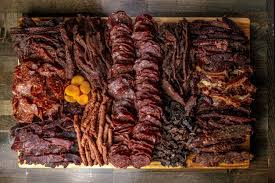
Jerky beef and fish requires Bishul Yisroel.

 Jerky beef and fish requires Bishul Yisroel. For Sfardim,
requires Bais Yosef beef and Bais Yosef drying as well.

The non-Jew may not put it into the drier or turn it around in the dryer

  • Drying/Dehydration Temperature: Jerky is usually dried at temperatures between 160°F (71°C) and 175°F (79°C). The USDA recommends that the meat be heated to an internal temperature of 160°F before drying to ensure safety from pathogens like Salmonella and E. coli.

  • Dehydrator or Oven Temperature: Most recipes suggest setting your dehydrator or oven to around 165°F (74°C) for the entire drying process, though this can vary slightly depending on the recipe and the type of meat being used.

  • Wednesday, August 21, 2024

    OU Releases Kashrus Alert After Jelly Belly Changes Its Factory Process

     Mrs. Shain was always of the opinion that Jelly Belly is not for the Educated kosher consumer

    due to the confectioners glaze which is a insect extraction.

    Tuesday, August 20, 2024

    UK researchers leverage machine learning and DNA bar-coding to tackle honey fraud

    https://www.foodingredientsfirst.com/news/uk-researchers-leverage-machine-learning-and-dna-barcoding-to-tackle-honey-fraud.html 

    Shabbos concern

    Beware of Shabbat! Pay Attention!

    Serious Concern of a Torah Prohibition in Using a Combi-Steamer Oven!

    1. A detailed inquiry revealed that using a combi-steamer oven on Shabbat involves a serious concern of a Torah prohibition (Biblical commandment) according to several major Halachic authorities.

    2. The oven, which operates with steam, continues to release steam during Shabbat even when the door is opened. This could lead to cooking or baking inside the oven or in its surroundings, which is forbidden on Shabbat.

    3. Opening the oven door during Shabbat causes a significant influx of cold air, which in turn activates the oven’s mechanism to generate more steam. This is a clear violation of the prohibition against igniting fire or increasing the temperature, which is forbidden on Shabbat.

    4. Even though the oven's heating system might be on a timer or controlled by a Shabbat mode, there remains a substantial risk of violating Shabbat inadvertently.

    Conclusion: The use of combi-steamer ovens on Shabbat should be completely avoided to prevent any violation of Torah prohibitions.

    Issued by: Rabbinic Committee for Shabbat Observance

    For further inquiries, please contact: [Phone Number and Name]


    Sunday, August 11, 2024


    Why was the KAJ / Breur's Kehila the accepted kashrus by all? (as long as Rav Posen was there)


    The "secret"?
    When Rav Breuer set up the KAJ  Hashgocha, he announced that he is setting it up without any "hidurim or chumras"
    only basic kashrus.
    The reason? he said was that otherwise you are left with only hidurim and chumras with no kashrus.

    No one can accuse the KAJ Kehila's shechita of chasidishe shechita!


    Friday, August 09, 2024

    Secrets from the World of Kashrut

     Secrets from the World of Kashrut 


    Important Kashrut Updates In preparation for the upcoming vacation period.

    From the desk of the renowned Kashrut expert, Rabbi Yochanan Reichman

    This time: Shabbat during a vacation

    Many people take vacations in hotels, guesthouses, cabins, and more, both in Israel and abroad during the vacation season, and it's clear as day that they seek to enjoy their rest in a proper manner, without compromising on Halacha, and certainly without stumbling, Heaven forbid.

    To clarify and explain this issue to the general public, who may not be fully aware of the complexities involved, I would like to briefly outline the problems and pitfalls that could, Heaven forbid, arise from not maintaining a proper kashrut system and to raise awareness and understanding of this important issue, both during weekdays and on Shabbat and holidays.

    Many vacationers enjoy holding a Shabbat meal outdoors, in the garden, on the grass, or in a forest or orchard amidst fruit trees, where a cool breeze blows, or at least having a fruit "Tish" after the meal on Friday night, or serving tea on Shabbat afternoon after the midday nap, even in hotels, guesthouses, and rented cabins in settlements and villages surrounded by grassy areas and more.

    A. Did you know that it is halachically forbidden on Shabbat to eat and drink in a place where plants grow or where seeds might fall and grow?

    I'll share an interesting anecdote from when I was in charge of kashrut at a hotel during the vacation season. Despite warning the hotel's food and beverage manager before Shabbat and explaining that the water in the Shabbat urns placed on the tables on the grass must boil before sunset, my warnings were ignored. When sunset arrived, I noticed that the water hadn't boiled, meaning it would be forbidden to use this water on Shabbat due to the prohibition of leaving it on a fire that was not properly prepared. I opened the urns' taps, spilling all the water onto the grass, and immediately realized, with God's help, that this was watering the grass on Shabbat. I quickly stopped, closed the taps, and brought a bucket to prevent the water from spilling onto the grass. Yes, it caused a mess and shouting, but a kashrut supervisor shouldn't be moved by that. Instead, they must firmly uphold the kashrut standards since hundreds of Jews rely on them, and they must do their job faithfully.

    Sometimes, handwashing stations are added in places where the water flows towards grassy or tree-filled areas, which must also be noted.

    On Shabbat:

    • Swinging in hammocks attached to trees.
    • Wanting to retrieve a ball that fell on a tree during a game.
    • Wanting to use a towel you hung on a tree.
    • Wearing a suit that is hanging on a tree.

    B. Did you know it is forbidden to use a tree on Shabbat? Therefore, anything placed or hung on a tree on Shabbat is forbidden to be used on Shabbat. It's important to note that if these items are connected to a nail attached to the tree, they can be used. (For example, a suit hanging on the tree with a watch or tissue in the pocket can have these items removed, though the suit itself is forbidden to be used.)

    Similarly, it is forbidden to smell fruits on a tree on Shabbat. And it is forbidden to pick up fruits that fell from a tree on Shabbat.

    After the meal, the announcement is made in the hotel dining room for the vacationers, "We are going for a walk with the renowned guide around the settlement, etc., where we will see... and hear... guaranteed enjoyment..." Many take off their Shabbat outerwear (streimel/hat, kapote) and go for a leisurely Shabbat walk.

    C. Did you know it is halachically forbidden to go for a walk on Shabbat without wearing at least one Shabbat garment? (It is not sufficient to wear a regular shirt and pants as on a weekday.)

    In general, it’s good to know: Preparations for Shabbat in hotels, guesthouses, cabins, and resorts are many and complex, and it is easy to stumble, Heaven forbid, in Shabbat desecration.

    For example:

    • Turning off the light in the room refrigerator.
    • Turning off the light in the wardrobe in the room.
    • Neutralizing the room's lighting and air conditioning sensors.
    • Covering electronic eyes in the bathrooms.
    • Disconnecting electric hand dryers.
    • Requesting a Shabbat key for the room.
    • There are places around the hotel where the light turns on when you pass by and turns off when you move away.
    • Some places require setting up an eruv chatzerot (enclosure) otherwise, it is forbidden to carry within the hotel itself from room to hallway or in the building's stairwell, etc.

    It takes a lot of divine assistance and extensive Torah knowledge to vacation according to Halacha. May we not stumble, Amen.

    For information and consultation: Phone: 052-7112543 WhatsApp: 054-7694615 Email: yr383464@gmail.com

    The SBD- ALLE / MEAL-MART -South American reports in English- It's worse that one can imagine- NON-GLATT (at best)

     SBD- Rabbi Hatchual, Shlita. & ALLE / MEAL MART – South America Shechita

    Appendix to the Les Feyder Report

    Kosher Certification Report-Slaughter Report

    During my visit this week to the Les Feyder plant in Montevideo, Uruguay, to supervise the slaughter performed by the rabbinical team, I observed that another team from the MealMart Company in New York, supervised by Rabbi Teitelbaum of Nirbarter and additionally overseen for SBD by Rabbi Asher Chatshuell from New York, was also conducting slaughter in the same plant. Rabbi Yosef Chatshuel from New York manages and supervises this on-site.

    Introduction: Because this plant slaughters 130 animals per hour and refuses to reduce this rate under any circumstances, the Israeli Rabbinate has imposed stringent conditions to maintain slaughter in this plant:

    1. Four slaughterers, three of whom must be in the slaughter room at all times.
    2. Two internal inspectors working simultaneously, each inspecting 65 animals per hour, which is considered reasonable.
    3. Two external inspectors working simultaneously, each inspecting 65 animals per hour, which is considered reasonable.

    Observations: Under the supervision of Rabbi Chatshuel, known as "SBD," the following was noted:

    1. Only two slaughterers: Kramer and Guttfarb.
    2. One internal inspector.
    3. One external inspector.
    4. One inspector for non-kosher animals standing opposite the slaughterers.
    5. One inspector for the esophagus.
    6. One inspector for the stomach (internal inspector).
    7. One inspector for stamping quarters.
    8. One inspector for cutting (ensuring the removal of the sciatic nerve and another blood vessel from the chest).
    9. Additionally, Rabbi Bloom, an elderly man in his 80s, occasionally comes down from the slaughter room to inspect knives.

    The slaughterers appear to be God-fearing and upright individuals. On the first day, I spoke with the slaughterer Guttfarb and asked how they managed such rapid slaughter and knife inspections, given their fatigue and without replacements. They slaughter 350 animals in three hours with only a 10-minute break.

    Guttfarb's Response: He admitted it was indeed challenging. He is new and doing an internship, aspiring to become a rabbi-approved slaughterer. He mentioned they inspect knives every two animals, to which I asked who permitted this since the ruling of the Rema applies to poultry, not large animals. After half an hour or 20 minutes of continuous slaughtering, the slaughterer is fatigued. How can he properly inspect knives immediately after slaughtering?

    Additional Observations:

    • On the second day, I witnessed the end of their slaughter and inspection process. I was at the plant from 4:00 AM to monitor our salting and packaging.
    • Rabbi Yosef Chatshuel spent considerable time near the external inspector. When I approached him, I pointed out the following:
      • With a slaughter rate of 130 animals per hour, how can the slaughterers and inspectors manage effectively, considering the required speed and accuracy?
      • The internal inspector checks 130 animals per hour alone, approximately one lung every 20 seconds, which is exhausting and raises questions about the thoroughness of the inspection.

    Chatshule's Responses:

    • There were once three slaughterers, but the third often left to rest.
    • Rabbi Bloom inspects knives every ten minutes, although this is impractical given his age and the frequency of slaughtering 26 animals every 10 minutes.

    Concerns:

    • The internal inspector must check each animal properly, which is challenging at the rate of 130 animals per hour without adequate rest.
    • Inspection of knives every two animals instead of each one raises questions about the validity of the practice.
    • Rapid slaughter and knife inspections compromise the quality and thoroughness of the kosher certification process.

    Conclusion: We raised these issues to highlight the significant challenges and necessary improvements in the slaughter process at the Les Feyder plant under Rabbi Chatshuel's supervision. The report was drafted to address these concerns and ensure adherence to kosher certification standards.

    Signed: Avraham Chaim Inspector for the Israeli Chief Rabbinate